The conversation around LSD in the USA is changing rapidly. As psychedelic research gains momentum, more Americans are searching for answers about LSD legality, psychedelic policy, clinical research, and what the future could look like in 2027. But separating headlines from actual law is essential.
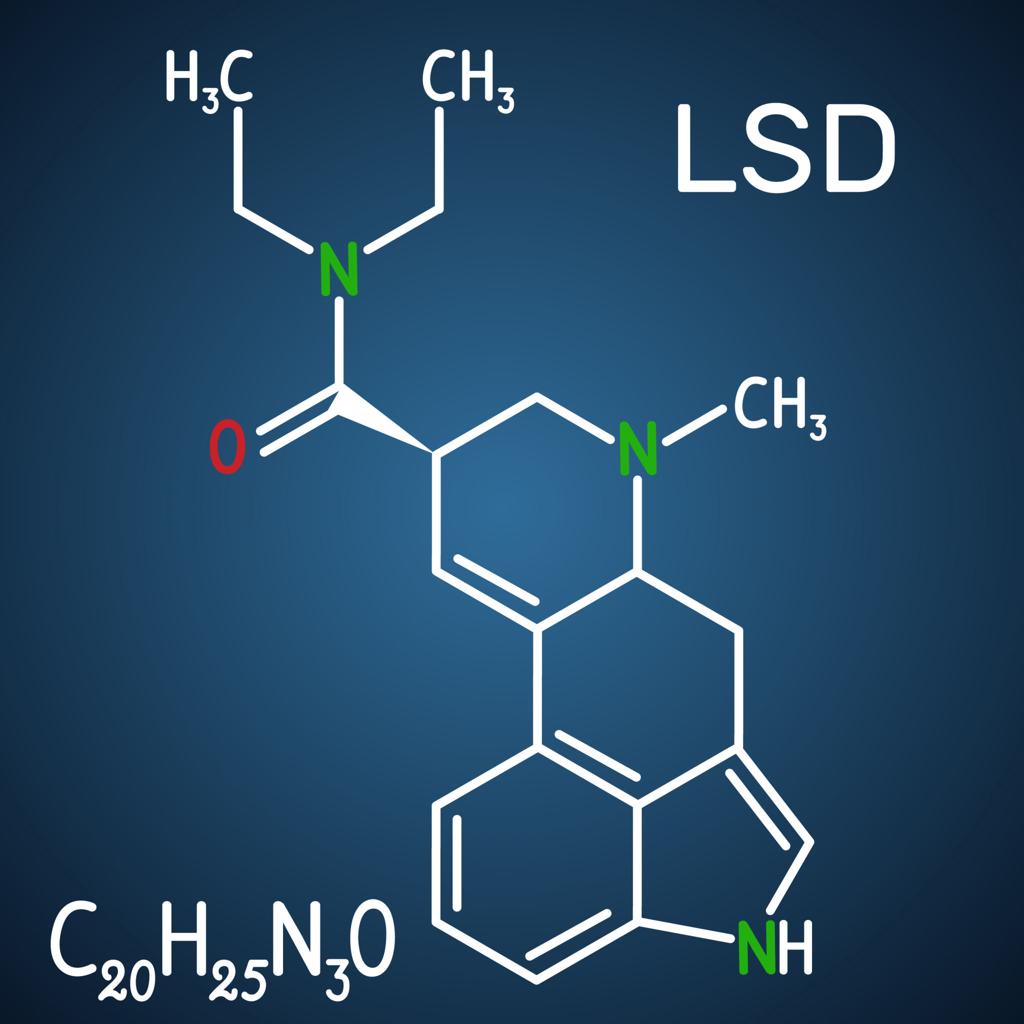
So, is LSD legal in the United States? At the federal level, LSD (lysergic acid diethylamide) remains a Schedule I controlled substance. The U.S. Drug Enforcement Administration lists LSD among Schedule I substances under the Controlled Substances Act.
That means the growing public interest in psychedelics should not be confused with nationwide legalization. The legal landscape surrounding LSD remains very different from the rapidly developing conversation around psychedelic research and potential therapeutic applications.
Is LSD Legal in the USA?
For consumers, the answer is generally no. Federal law continues to prohibit unauthorized possession, manufacture, and distribution of LSD. Schedule I classification places LSD within the federal controlled-substance framework.
However, psychedelic policy is becoming more nuanced. Different jurisdictions may adopt their own approaches to enforcement, research, therapeutic programs, or broader drug-policy reform. This is why understanding the distinction between decriminalization, legalization, medical research, and federally approved treatment is increasingly important.
What’s Changing in Psychedelic Research?
While LSD remains federally controlled, interest in psychedelic science continues to grow. The U.S. Food and Drug Administration has established guidance for developers conducting clinical investigations involving psychedelic drugs, reflecting the increasing scientific interest in their potential therapeutic applications.
The FDA’s current psychedelic-drug initiatives also show that research and regulatory discussions are continuing into 2026, creating important questions about how psychedelic medicine could develop by 2027.
Importantly, research interest does not equal FDA approval. A substance can be studied in clinical trials without becoming a legal consumer product.
What Could 2027 Look Like?
Looking ahead to 2027, the biggest developments may come from continued psychedelic research, regulatory discussions, clinical trials, and state-level policy debates. Whether these developments lead to broader access will depend on scientific evidence, federal regulation, legislation, and decisions by individual jurisdictions.
For anyone researching LSD laws in the USA, the key takeaway is simple: don’t assume that a headline about psychedelic reform means LSD has become legal.
The Bottom Line
The LSD legal status in the USA remains restrictive, even as psychedelic research enters a more active period. For 2027, consumers should watch developments from the DEA, FDA, Congress, and individual states rather than relying on social-media claims or online advertisements.
If you’re researching LSD, psychedelics, or changing U.S. drug laws, prioritize authoritative sources and current legal information. The psychedelic landscape is evolving—but LSD legality, scientific research, and commercial availability are three very different questions.