
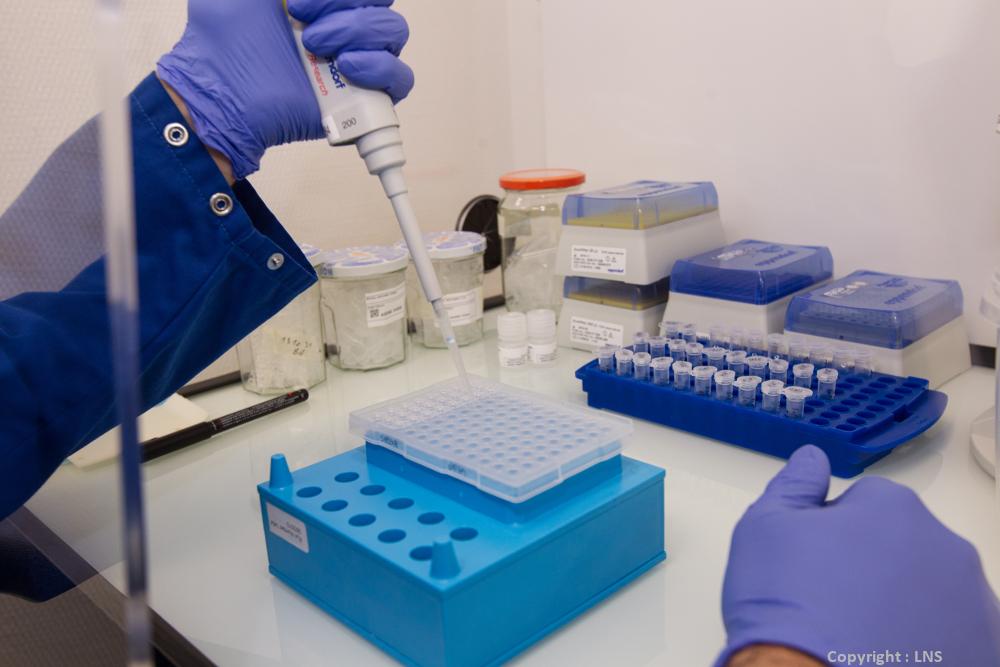
If you’re searching “how long does GHB stay in your system?”, one of the most important things to understand is that GHB has a relatively short detection window. The body processes GHB quickly, which means toxicology testing can become much less informative as time passes. The exact window varies according to the type of sample, the timing and circumstances of exposure, and the laboratory’s testing methods. UK Government evidence highlights the difficulty of detecting and interpreting GHB because of its rapid metabolism.
How Long Does GHB Stay Detectable?
GHB is rapidly absorbed and eliminated. A UK Government scientific assessment reported that GHB has an elimination half-life of approximately 20 minutes, while older evidence cited detection in urine for around 8–10 hours and blood for approximately 4–5 hours after exposure.
These figures should not be treated as guaranteed testing windows. Detection can vary considerably, and specialist laboratories may use different analytical methods and cut-offs.
GHB Detection in Urine
Urine is often important when investigating suspected GHB exposure because the detection period can be longer than in blood. However, the window remains relatively short.
An NHS toxicology service advises that suspected drink-spiking samples should be collected as quickly as possible, noting that GHB may become undetectable in urine within 12–24 hours.
This is why delaying testing can significantly reduce the likelihood of detecting GHB.
GHB Detection in Blood
Blood generally provides a shorter detection window than urine because GHB is rapidly metabolised and eliminated. Government evidence has cited approximately 4–5 hours for blood detection following exposure, although individual circumstances and testing methods can affect the result.
If you believe you may have been exposed to GHB without your knowledge, seeking medical or forensic assistance as soon as possible is important.
Why Is GHB Difficult to Detect?
One reason GHB testing can be complicated is that GHB is also naturally produced by the human body. This makes interpretation of laboratory concentrations more complex than with some other substances. UK Government guidance notes that toxicology interpretation can require consideration of the sample type, concentration and circumstances surrounding the suspected exposure.
A negative result therefore does not necessarily establish that exposure did not occur, particularly if testing happened after a significant delay.
What If You Suspect Drink Spiking?
If you think someone may have put GHB or another substance in your drink, don’t wait for symptoms to disappear before seeking help. Contact emergency medical services or a healthcare professional, particularly if there is severe drowsiness, confusion, vomiting, difficulty breathing, loss of consciousness or other concerning symptoms.
If a suspected spiking incident has occurred, tell healthcare professionals and, where appropriate, the police what you suspect and when the exposure may have happened. Rapid collection of appropriate samples can be important because GHB has such a short detection window.
The Bottom Line
So, how long does GHB stay in your system? It is generally detectable for a relatively short period, with blood potentially detecting it for only several hours and urine potentially providing a somewhat longer window. However, there is no single guaranteed timeframe.
If this question relates to a possible overdose, accidental exposure or suspected drink spiking, seek medical help promptly rather than relying on the detection window.


